Seeking a Top Rated Elder Abuse Attorney
Nursing Home Abuse Lawyer: Fighting for Justice and Protection
Nursing home abuse remains a pressing issue, frequently concealed from public view. Survivors struggle greatly when attempting to seek legal recourse, making them feel defenseless and abandoned. A nursing home abuse attorney fulfills an essential purpose in tackling these wrongdoings. These professionals offer vital legal assistance, guaranteeing that survivors can copyright their rights. Recognizing the nuances of this matter is vital for families considering their options. What measures should families consider to defend their vulnerable relatives?
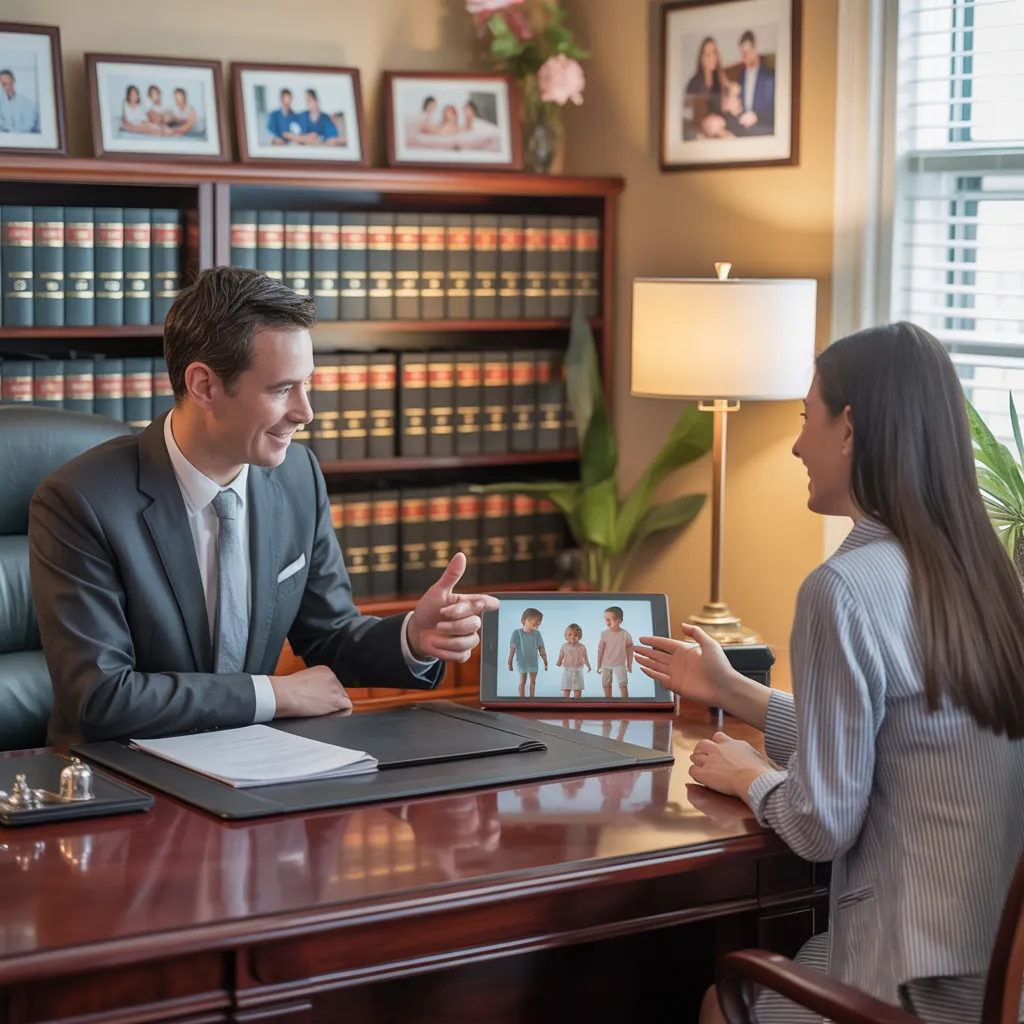
Spotting the Indicators of Nursing Home Abuse
How can families identify the subtle signs of nursing home abuse? Being aware of these signs is crucial for safeguarding the welfare of loved ones. Unexplained bruises, cuts, or weight loss are physical indicators that can suggest neglect or mistreatment. Emotional signals like withdrawal, depression, or sudden shifts in behavior can also be signs of abuse. Families should pay attention to their loved one's interactions with staff; fearful behavior or reluctance to speak can be telling. Financial red flags such as missing personal belongings or unexplained withdrawals may indicate financial exploitation. Regular visits and open conversations with residents can help families stay informed about their loved one's condition. Recording any concerns thoroughly can supply vital evidence in the event that action becomes necessary. In the end, staying alert and informed is fundamental to detecting possible abuse and maintaining a secure environment for those in nursing care.
How a Nursing Home Abuse Lawyer Can Assist You
A elder abuse lawyer delivers essential legal advocacy for victims pursuing justice. They play a significant role in investigating claims of abuse, collecting evidence, and building a strong case. Furthermore, these lawyers work to obtain financial restitution for those affected and their loved ones, alleviating the physical and financial burden of such mistreatment.
Attorney Representation For Victims
Those who have suffered nursing home abuse frequently encounter overwhelming emotional and physical hardships, making qualified legal representation critical for handling their challenging circumstances. An experienced nursing home abuse lawyer provides critical support by making sure victims are aware of their rights and options. Such legal experts can effectively navigate the complicated legal landscape, helping to gather evidence and build a strong case. They work to secure fair compensation, addressing medical costs, emotional suffering, and additional damages. Furthermore, a qualified legal professional is able to negotiate with nursing home facilities and insurance providers, reducing the stress on victims and their loved ones. By offering dedicated guidance and legal expertise, nursing home abuse attorneys play an important role in empowering victims to seek justice and reclaim their dignity.
Investigating Abuse Claims
Understanding the intricacies of nursing home abuse matters is essential for victims looking for accountability. A nursing home abuse legal professional serves a critical function in evaluating these matters. They begin by compiling pertinent documentation, including medical records, accounts from bystanders, and institutional records. This comprehensive examination often involves going to the facility to assess conditions and questioning personnel and occupants. Legal professionals also partner with qualified professionals to detect evidence of abuse or negligence that may go unnoticed at first glance. By applying their expertise of applicable legal standards, they can assess the validity of cases and construct a compelling argument. Ultimately, the attorney's commitment to uncovering the truth works to secure justice and supports victims in their pursuit of justice.
Securing Financial Compensation
Obtaining financial restitution for nursing facility mistreatment requires navigating a complex legal landscape. A nursing facility abuse lawyer serves a critical role in supporting victims and their families through this multifaceted process. These attorneys assess the strength of the claim, collect critical evidence, and demonstrate accountability. By applying their legal experience, these legal advocates can negotiate with insurance companies and opposing parties to obtain fair settlements. If negotiations are unsuccessful, they are equipped to litigate the case in court. Recoverable compensation can include medical bills, mental anguish, and further damages arising from the abuse. Ultimately, a skilled nursing home abuse advocate takes steps to ensure that affected individuals obtain the financial assistance needed for healing and justice, keeping negligent parties responsible for their conduct.
Understanding the Legal Process for Filing a Claim
When working through the legal process for pursuing a nursing home abuse claim, there are several key aspects to understand. These include recognizing the different types of abuse claims, the importance of thorough evidence collection, and a review of the applicable legal timeline. All of these elements are essential to constructing a compelling case for victims and their families.
Types of Abuse Claims
Abuse in nursing homes can manifest in many ways, each demanding particular legal attention for those seeking justice. The most prevalent types of abuse claims involve physical, emotional, sexual, and financial abuse. Physical abuse involves harm or injury inflicted on residents, while emotional abuse includes verbal harassment and psychological manipulation. Any non-consensual sexual contact is classified as sexual abuse, and financial abuse pertains to the unauthorized use of a resident's funds or assets. Neglect is another significant concern, characterized by the failure to deliver essential care, resulting in a decline in health and well-being. Every form of abuse requires a customized legal strategy, underscoring the need to understand the nuances involved in the claims process to properly advocate for the rights and protection of vulnerable individuals residing in nursing homes.
Evidence Gathering Process
A comprehensive grasp of the evidence collection process is vital for individuals pursuing claims of nursing home abuse. Gathering compelling evidence serves as the foundation of any legal case, requiring meticulous attention to detail. This effort commonly involves collecting healthcare records, images documenting injuries, and testimonies from staff members or fellow residents. Recording incidents with specific dates and times is crucial. Additionally, safeguarding physical evidence, such as personal belongings or garments, can help demonstrate a pattern of mistreatment. Working with a nursing home abuse lawyer can supply insight into the kinds of evidence required and guarantee proper procedures are followed. Ultimately, thorough documentation improves the likelihood of securing justice for nursing home abuse victims.
Legal Process Timeline
Comprehending the legal timeline check this resource for pursuing a case in instances of nursing home abuse is vital for patients and their relatives. The procedure usually commences with an initial consultation with a nursing home abuse attorney, who will review the validity of the claim. Subsequent to this, proof must be assembled, which can take several weeks. When enough documentation has been assembled, a legal complaint is initiated, commencing the formal proceedings. The timeframe differs based on state laws, but generally, a case must be submitted within a designated filing deadline, commonly spanning one to three years. Following the submission, mediation or settlement talks may take place, and if unresolved, the claim may move forward to litigation, which can additionally lengthen the process.
Critical Evidence for Your Nursing Home Abuse Case
Proof is crucial in validating allegations of nursing home abuse. To establish a compelling case, different kinds of documentation and witness accounts are critical. Medical records can provide thorough documentation of injuries or neglect, while photographs of injuries or hazardous conditions can visually support allegations. Additionally, incident reports documented by nursing home staff act as official documentation of any instances of abuse or neglect.
Accounts from employees, residents, or family members can also reinforce assertions. Surveillance footage, if obtainable, can be essential in demonstrating the mistreatment or negligence in question. Additionally, documented communications, such as text messages or emails between family members and nursing home staff, may uncover prior concerns expressed regarding care.
Collecting and organizing this evidence in a timely manner improves the likelihood of a positive outcome in court. A nursing home abuse lawyer can support families and victims in collecting critical evidence to effectively pursue justice.
Expected Compensation for Victims of Nursing Home Abuse
Those who have suffered nursing home abuse may seek compensation for the harm they have endured, which can vary widely based on the unique circumstances of each situation. Elements that affect compensation include the extent of physical injuries, psychological suffering, and financial losses incurred due to medical bills or diminished quality of life. Furthermore, punitive damages can be granted in cases of severe neglect or willful wrongdoing, aiming to deter future misconduct.
When assessing claims, courts often examine the extent of the mistreatment, the period of endured hardship, and the impact on the victim's family. Legal representation is essential, as experienced nursing home abuse lawyers can guide victims through the intricacies of the legal process and fight for just compensation. The primary objective is to reach an agreement that fully accounts for all damages and encourages responsibility within the care facility.
Tips for Choosing a Nursing Home Abuse Attorney
How does one go about finding a qualified nursing home abuse lawyer? Getting started requires identifying legal professionals who concentrate on elder law and nursing home abuse claims. The experience and proven success of a lawyer are of utmost importance; those seeking representation should pursue lawyers who have demonstrated success in like circumstances.
Moreover, customer feedback and reviews can shed light on an lawyer's skill and dedication. It is essential to ask about the lawyer's method of approaching cases, including their readiness to take cases to trial when needed.
Accessibility and communication style are also important factors; clients need to feel at ease when addressing sensitive topics.
Last but not least, examine the attorney's payment arrangement—knowing whether they accept cases on contingency can greatly impact a client's decision. By following these guidelines, those affected can identify a nursing home abuse attorney who will advocate effectively for justice and safety.
Legal Strategies for Preventing Nursing Home Abuse
Choosing a skilled elder abuse lawyer can play a vital role in confronting and reducing more incidents of abuse. Proven legal methods are built upon thorough investigations into the care facility's operations and the services rendered to residents. Legal professionals often gather evidence, including patient records and eyewitness accounts, to demonstrate a history of abuse or neglect.
Moreover, they may urge families to record any signs of mistreatment, building a firm groundwork for filing a legal claim. Legal advocates can also push for enhanced protective regulations and policies within care facilities, highlighting the importance of honesty and accountability.
Participating in alternative dispute resolution can sometimes result in more expedient settlements, benefiting both residents and facilities. At its core, a proactive approach not only pursues accountability for those harmed but also aims to create a more protected setting for all nursing home residents, emphasizing the critical role of legal advocacy in preventing future abuse.
Frequently Asked Questions
What Steps Should I Take if I Suspect Abuse?
When abuse is suspected, it is important to record observations, collect evidence, and submit concerns to the relevant authorities. Consulting with professionals or advocates can offer direction on the next steps to protect the victim's safety and well-being.
Is It Possible to File a Lawsuit Anonymously?
That is correct, plaintiffs are able to pursue legal action while concealing their identity in particular situations, contingent upon the jurisdiction and the nature of the case. Consulting with a legal professional is strongly encouraged to explore the available options for safeguarding one's personal information during the process.
How Long Do I Have to File a Claim?
In most jurisdictions, individuals typically have one to three years to submit a claim, subject to the specific circumstances and governing local laws. It is important to seek guidance from a legal professional for accurate information regarding filing deadlines.
Are There Penalties for Reporting Suspected Abuse?
That is correct, there are consequences for not reporting suspected abuse, including fines and potential criminal charges. Whistleblower safeguards have been established to safeguard those who make reports, encouraging vigilance and accountability in safeguarding vulnerable individuals.
What Should You Do if the Abuser Is a Staff Member?
If the abuser is a staff member, the facility usually conducts an investigation into the allegations. Consequences may include disciplinary action, termination, or legal repercussions, depending on the severity of the abuse and applicable laws. Making a report is crucial.